Design Inspiration
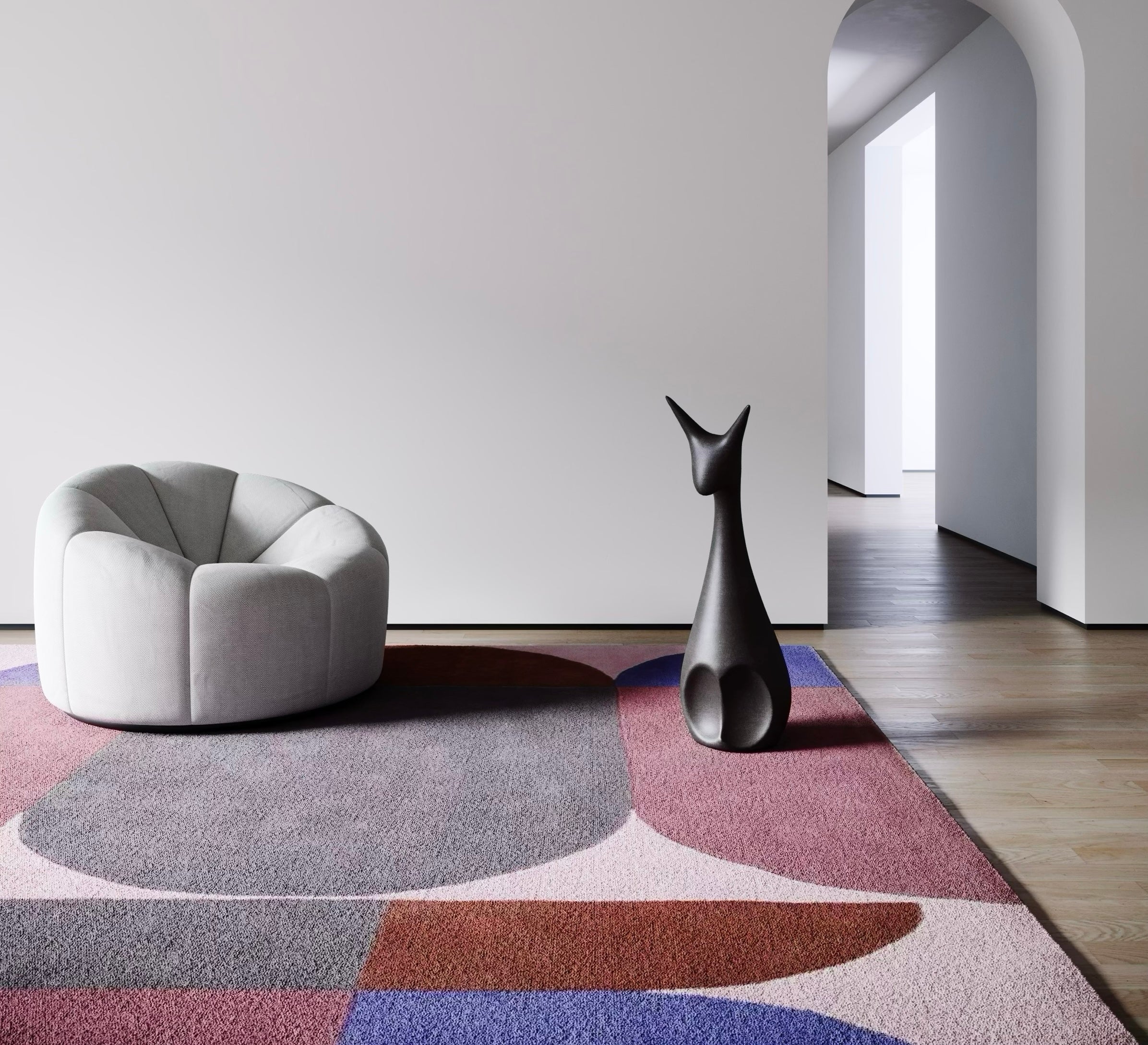
Moroccan geometry filtered through time's patina. The Marrakech collection interprets traditional medallion formats with a colour palette that suggests age: saturated centres fading toward sun-bleached edges, as if decades of light have worked their alchemy on dyed fibres.
The medallion anchors each composition, its intricate internal patterning radiating outward through layered borders. Geometric motifs reference zellige tilework and carved plasterwork found throughout Morocco's architectural heritage. Colour shifts dramatically across the field: deep terracottas, indigos, and umbers concentrate at the centre before dissolving into pale blues, faded roses, and weathered creams at the periphery. This gradient effect mimics natural fading patterns seen in antique textiles, creating visual depth that draws the eye inward. The vintage aesthetic satisfies contemporary taste for collected rather than coordinated interiors, patterns that appear discovered rather than purchased.
Heat-set polypropylene forms the substrate, a synthetic fibre treated at high temperatures to lock twist and enhance resilience. The process stabilises the yarn structure, reducing shedding and improving texture retention. Turkish manufacturers pioneered this technique for creating durable floor coverings that maintain aesthetic qualities through heavy use. The 8mm pile provides substantial cushioning without excessive depth, soft enough for comfort yet practical for furniture placement and door clearances. Machine construction ensures consistent density and pattern precision impossible to achieve by hand at this price point.
Polypropylene offers specific practical advantages. The fibre naturally resists moisture absorption, preventing mould and mildew in humid conditions. It generates no static electricity, eliminating the shock common with some synthetic carpets. Hypoallergenic properties suit households with sensitivities. Stain resistance comes intrinsic to the material: spills sit on the surface rather than penetrating fibres, allowing swift cleanup before permanent marks form. The material holds dye exceptionally well, maintaining colour vibrancy despite sun exposure. Oeko-Tex 100 certification confirms the absence of harmful chemicals in production, meeting European safety standards for textiles in direct skin contact.
Four size options accommodate varied spatial requirements. Runners (80 x 200cm) define hallways and narrow passages. Medium formats (120 x 170cm) suit bedrooms and compact living areas. Large rugs (160 x 230cm) anchor seating arrangements with front furniture legs resting on the surface. Extra large pieces (200 x 290cm) allow entire furniture groupings to sit atop the rug, creating unified zones within open-plan spaces. The vintage pattern adapts equally to eclectic bohemian interiors and streamlined contemporary rooms seeking textural contrast.
Sisuverse Journal | Nest & Nurtured
-
Read more: Botanical Prints: From Pressed Specimens To Contemporary Wallpaper

Botanical Prints: From Pressed Specimens To Contemporary Wallpaper
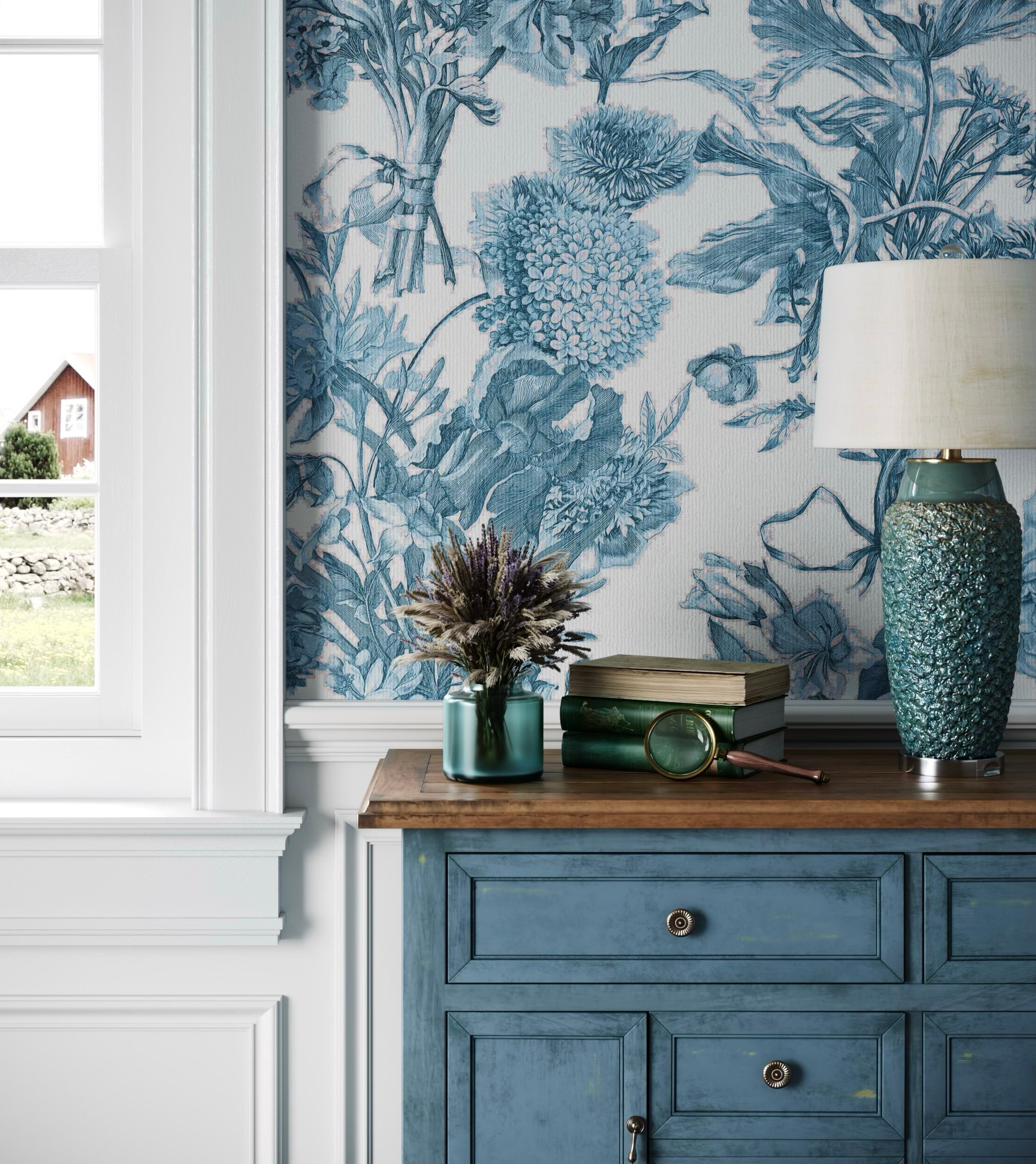
Botanical illustration began as scientific documentation, artists translating three-dimensional plants into flat images serving both informational and aesthetic purposes. This exploration traces the journey from pressed herbarium specimens and watercolour expeditions to contemporary wallpaper, examining how printing techniques evolved from copperplate engraving through William Morris' screen printing to digital reproduction whilst maintaining essential character: beauty emerging from accuracy rather than imposed upon it.
Read more -
Read more: Woven Ground: The Cultural Geography of Handmade Rugs

Woven Ground: The Cultural Geography of Handmade Rugs
Handwoven rugs carry geography in their fibres. The wool came from specific mountains where specific plants fed specific sheep; the dyes derive from regional botanicals; the patterns preserve cultural memory encoded in visual language. From Persian workshop medallions to Berber mountain abstractions to Scandinavian restraint, each tradition represents centuries of accumulated knowledge, techniques refined through generations. This investigation explores how materials shaped by landscape, methods passed like recipes, and patterns carrying meaning beyond decoration create the ground beneath our feet.
Read more -
Read more: Setting the Table: European Christmas Traditions From Scandinavia to Sicily

Setting the Table: European Christmas Traditions From Scandinavia to Sicily
Geography shapes what we place on Christmas tables and how we place it. From Scandinavian candlelight to Mediterranean abundance, British formality to French patience explore European traditions that transform December gatherings into rituals worth inheriting, adapting, making yours.
Read more