Succulent forms repeat across the surface, each cactus rendered through playful illustration that balances botanical recognition with decorative simplification. Juss depicts various Cactaceae specimens—perhaps Opuntia paddle forms, columnar Cereus, globular Echinocactus—without strict taxonomic accuracy.
The pattern scatters individual cacti in varied species and scales, creating botanical collection effect. Illustration style maintains friendly accessibility: smooth outlines, minimal spine detail, occasional flowers adding colour punctuation to predominantly green composition. The aesthetic references contemporary illustration trends favouring approachable naturalism over scientific precision. Cacti carry symbolic weight beyond decoration—desert survival, water retention in hostile environments, resilience through adaptation—though the playful rendering softens any austere associations. Multiple colourways likely shift from naturalistic greens to unexpected pastels or monochromatic variations.
Printed in Cornwall with attention to the clean linework defining each illustrated specimen, maintaining clarity across the scattered botanical arrangement.
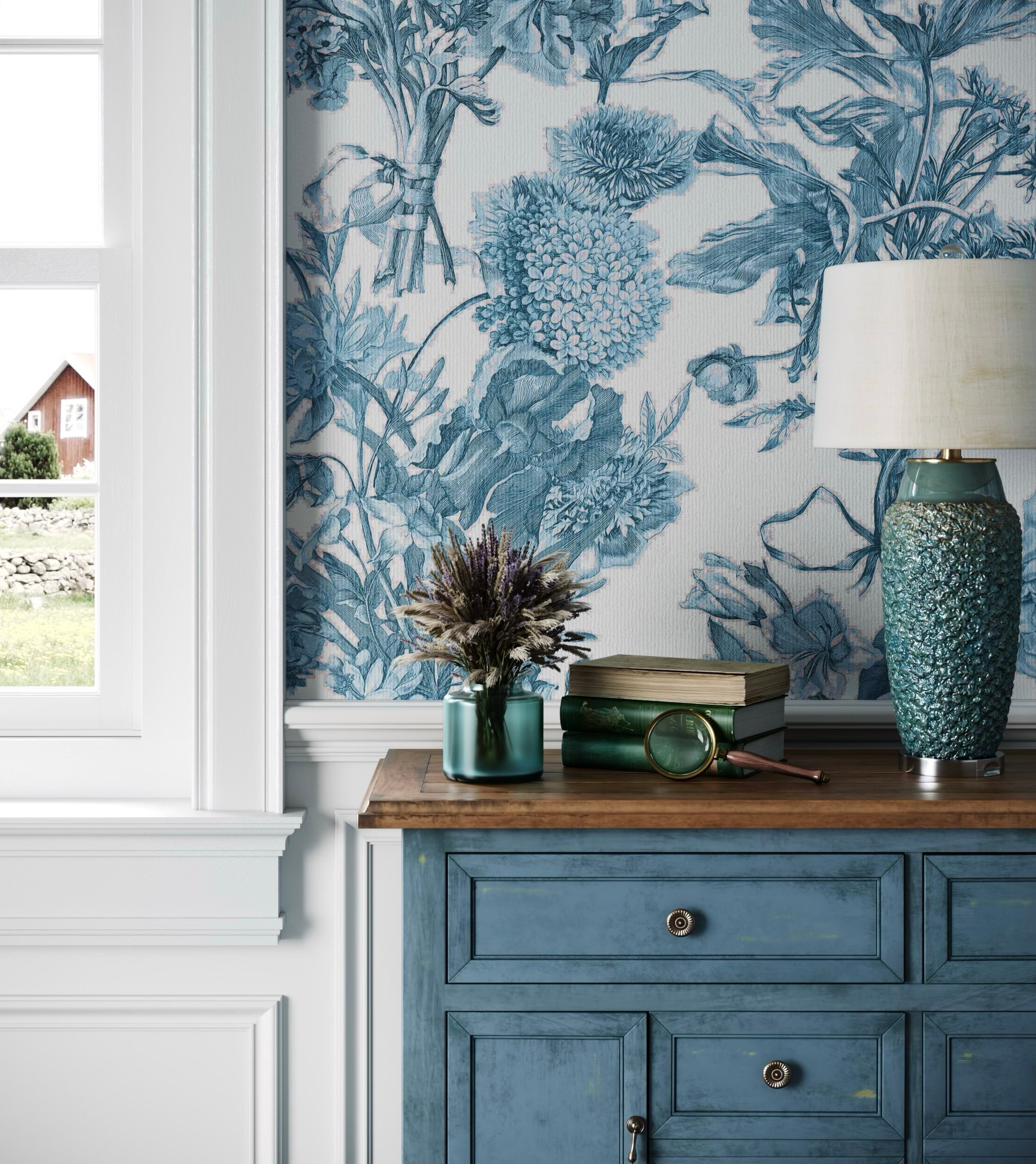
Juss suits spaces embracing contemporary botanical trends without literal desert recreation. Living rooms, bedrooms, home offices where plant imagery provides biophilic connection for those unable to maintain living specimens. The playful style prevents the pattern from reading overly serious or scientific. Scale remains moderate, suitable for feature walls or full room application depending on spatial confidence. Works alongside minimal modern furnishings and actual succulent collections extending the botanical theme dimensionally.
TECHNICAL SPECIFICATIONS:
- Width: 75cm per roll
- Length: 7 metres
- Pattern alignment: Straight match
- Repeat: Moderate vertical repeat
- Installation: Butt joint
CARE: Wipe gently with damp cloth; the illustrated cacti require less maintenance than their living counterparts.
BRING THIS HOME Where desert survivors become decoration, illustrated Cactaceae thrive on walls requiring neither water nor light.
Sisuverse Journal | Nest & Nurtured
-
Read more: Botanical Prints: From Pressed Specimens To Contemporary Wallpaper

Botanical Prints: From Pressed Specimens To Contemporary Wallpaper
Botanical illustration began as scientific documentation, artists translating three-dimensional plants into flat images serving both informational and aesthetic purposes. This exploration traces the journey from pressed herbarium specimens and watercolour expeditions to contemporary wallpaper, examining how printing techniques evolved from copperplate engraving through William Morris' screen printing to digital reproduction whilst maintaining essential character: beauty emerging from accuracy rather than imposed upon it.
Read more -
Read more: Woven Ground: The Cultural Geography of Handmade Rugs

Woven Ground: The Cultural Geography of Handmade Rugs
Handwoven rugs carry geography in their fibres. The wool came from specific mountains where specific plants fed specific sheep; the dyes derive from regional botanicals; the patterns preserve cultural memory encoded in visual language. From Persian workshop medallions to Berber mountain abstractions to Scandinavian restraint, each tradition represents centuries of accumulated knowledge, techniques refined through generations. This investigation explores how materials shaped by landscape, methods passed like recipes, and patterns carrying meaning beyond decoration create the ground beneath our feet.
Read more -
Read more: Setting the Table: European Christmas Traditions From Scandinavia to Sicily

Setting the Table: European Christmas Traditions From Scandinavia to Sicily
Geography shapes what we place on Christmas tables and how we place it. From Scandinavian candlelight to Mediterranean abundance, British formality to French patience explore European traditions that transform December gatherings into rituals worth inheriting, adapting, making yours.
Read more